Fermentation has gone from a fringe hobby practiced by crunchy food enthusiasts to a mainstream kitchen skill that regular people are picking up. What was once dismissed as too complicated is now showing up on grocery store shelves and home kitchen counters everywhere. Beginner-friendly projects turn modern fermentation into approachable experiments you can actually pull off.
- Fermented food markets are growing at 5.6% annually through 2032, with kombucha now the top-selling fermented product in the United States.
- Quick pickles, hot sauces, and fridge ferments require minimal equipment and no specialized knowledge, making fermentation accessible to complete beginners.
- Modern fermentation projects take anywhere from a few days to a couple of weeks, delivering probiotic-rich foods without months-long commitments.
What Changed the Game
Walk into any Whole Foods today, and you’ll see an entire aisle dedicated to kombucha, kimchi, and kefir. Health-focused consumers are turning to fermented products for gut support, immune enhancement, and overall wellness. UK fermented food markets reached £925 million in 2023, with Ocado searches for “fermented food” surging 139%. Even in places like NH, where hippie communes once popularized these techniques back in the 1970s, fermentation has shaken off its counterculture image. People don’t need to be part of any alternative lifestyle movement to get started. They just need a jar, some salt, and a free afternoon. Consumer demand for healthy foods, natural ingredients, and clean labels is fueling renewed interest in fermented foods worldwide. What started as a niche wellness trend has become something normal people want to try at home.
Quick Pickles That Actually Work
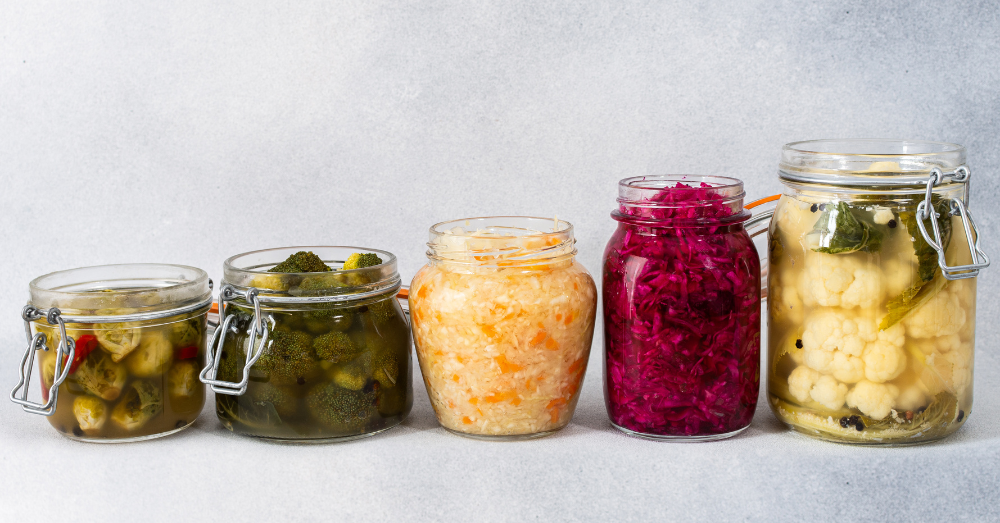
Modern quick pickles skip the intimidating parts. You don’t need fancy fermentation crocks or airlocks. A mason jar works fine. Mix salt, water, and vegetables, then let time do its thing. Slice up cucumbers, carrots, or radishes. Pack them in a jar with garlic and dill. Pour a simple brine over everything. Wait three to five days, and you’ve got crunchy, tangy pickles with all those beneficial bacteria people talk about. Your second batch ferments faster than the first. You can usually make two to three extra batches from the original liquid, basically recycling good bacteria for continuous pickle production. Once you make your first batch, the next ones get even easier.
Hot Sauce Without the Mystery
Fermented hot sauce might sound advanced, but it’s one of the most rewarding beginner projects. Some of your favorite commercial hot sauces are fermented, including Tabasco, Sriracha, and Frank’s Red Hot. Making your own version at home requires nothing more than fresh peppers, salt water, and patience. You can produce a pretty good batch in just a week. Even over that short period, fermentation converts sugars in peppers into new flavors and aromas you don’t get with fresh sauces. After fermentation, blend peppers with some brine and a splash of vinegar. You’ve just made something that would cost fifteen bucks in a specialty food store. The versatility is wild. Lacto-fermented dill pickle hot sauce works over tacos, eggs, chicken wings, or mixed into your next Bloody Mary. People are getting creative by combining different peppers for varied heat levels and adding unexpected ingredients like fermented pickles for extra funk.
Fridge Ferments for the Cautious
Not ready to leave jars bubbling on your counter? Fridge ferments offer a slower, more controlled introduction. Cold temperature slows down bacterial activity, which means you get fermentation benefits without the rapid bubbling that freaks some people out. Fermentation creates probiotic-rich food, and these good bacteria work with our microbiome to improve digestion, boost immunity, and prevent disease. Fridge ferments give you all those benefits while keeping everything stable and predictable. You can pickle just about anything in the fridge. Onions, jalapeños, cauliflower, and beets. Slice them up, mix a quick brine with vinegar and a bit of sugar, and let them hang out in the fridge. They’re ready in a day or two and last for weeks.
Why This Works Now
In the United States, fermented food and beverage markets are projected to grow at 4.7% annually from 2025 to 2035. Rising demand for gut-friendly functional foods keeps products like kombucha, kefir, kimchi, and Greek yogurt gaining traction across mainstream retail shelves. Recipes floating around online have gotten way better. Food bloggers and YouTube creators have stripped away jargon and complicated steps. They show you exactly what success looks like and what to avoid. You can watch someone make pickles in real time and see that it’s genuinely doable. One in four consumers worldwide already seek out fermented foods. This trend keeps growing. People have figured out that fermentation adds both flavor and function to their food, and they want more of it. Old gatekeeping around fermentation is gone. You don’t need to apprentice with a kimchi master or study microbiology. You need a jar, some basic ingredients, and a willingness to try something that might turn out differently than expected.