Move over, protein shakes. The wellness internet has a new obsession, and it’s hiding in your oatmeal, your beans, and your berries. Shoppers are loading up on roughage in a big way, and the food industry is scrambling to keep up with a viral movement that turned a once boring nutrient into a social media star.
- Gen Z is leading a social media push to eat dramatically more fiber from whole foods
- Major brands including PepsiCo, Coca-Cola, Nestlé, and Olipop are launching new high-fiber products
- Most Americans still fall well short of the recommended 25 to 38 grams of fiber per day
What Fibermaxxing Actually Means
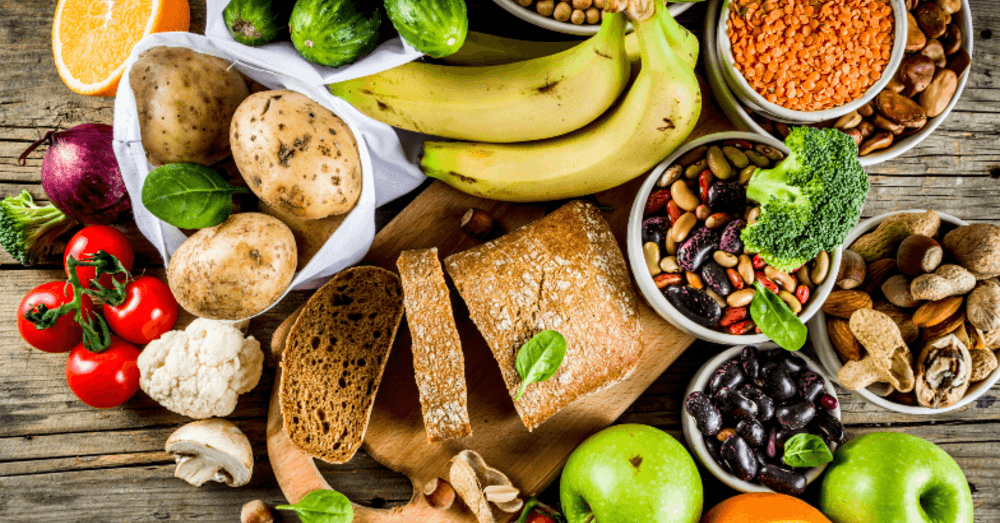
The term sounds intense, but the idea is simple. “Fibermaxxing” refers to the practice of upping fiber intake through whole foods like fruits and legumes, and it has racked up thousands of posts on social media. Think lentil bowls, chia pudding, berry-loaded smoothies, and bean-heavy dinners shared by influencers tracking their daily grams the way bodybuilders once counted protein.
The timing makes sense. Protein captivated consumers and food companies in 2025, but fiber is increasingly stealing the scene as people place more emphasis on gut health. After years of probiotic yogurt ads and gut microbiome chatter, fiber finally feels like the practical answer everyone can act on.
Why People Are Paying Attention Now
There’s a real nutritional gap behind the buzz. Roughly 90% of women and 97% of men in the U.S. fall short of their daily fiber requirements, with the recommended range usually somewhere between 25 grams and 38 grams per day. That’s a striking miss for a nutrient tied to digestion, heart health, and blood sugar control.
Demand reflects that gap. Research firm Datassential found that fiber is on track to be the next big health trend following on the heels of protein in its 2026 trends report. Of consumers surveyed, 54% said they are interested in foods and beverages high in fiber, with that number climbing to 60% among Gen Z, who are pioneering the fibermaxxing trend on social media.
Even nutritionists are giving the movement a nod. Andrea Glenn, an assistant professor of nutrition at New York University, called the movement surrounding fiber a “pretty tame wellness trend compared to others online.” In other words, eating more beans is unlikely to hurt anyone.
The Brands Cashing In
Big food has noticed. Coca-Cola launched its prebiotic soda, Simply Pop, earlier this year, with six grams of prebiotic fiber across five flavors. Nestlé unveiled a protein shake in June with four grams of prebiotic fiber designed to support the digestive health of adults on GLP-1 medications. Olipop has continued building its prebiotic soda lineup, while smaller players like Floura fiber bars and Sola Bagels have entered the fiber-rich space.
Olipop, the high-fiber, lower-sugar soda startup, raised $50 million in a Series C funding round at a valuation of $1.85 billion. That valuation alone shows how much investors believe gut-friendly drinks have staying power. From boutique grocers in Wallingford, CT to giant warehouse clubs in California, shelves are filling with sodas, snacks, and shakes touting fiber counts on the front of the package.
PepsiCo isn’t sitting still either. In February, the company plans to launch Smartfood Fiber Pop, featuring six grams of fiber per serving, and SunChips Fiber, incorporating fiber variants like whole grains and black beans, according to Pepsi’s chief science officer, Tara Glasgow. CEO Ramon Laguarta has been even more blunt about where the category is headed. “I think fiber will be the next protein,” he said in an earnings call late last year.
The Catch Worth Knowing About
Not every fiber-stamped product is created equal. Experts caution that isolated fibers added to ultra-processed snacks aren’t the same as the fiber you get from an apple or a bowl of black beans. A fortified cookie is still a cookie. The packaging math may check out, but whole foods bring along vitamins, minerals, and antioxidants that powders can’t replicate.
Shoppers are also getting smarter about labels. 42% of consumers said they believe the “high fiber” attribute on a nutrition label is important to defining a product as “healthy,” according to Datassential. That signal is shaping product development across the industry, with brands that ignore the trend risking irrelevance with a younger, label-reading customer base.
How to Try Fibermaxxing Without the Hype
If you want in on the trend, you don’t need a $7 prebiotic soda. Start with raspberries, oats, lentils, chia seeds, avocados, and whole-grain bread. Ramp up gradually so your digestive system can adjust, and drink plenty of water along the way. The cheapest version of fibermaxxing is also the one experts actually recommend, which might be the most refreshing twist in the whole story.