
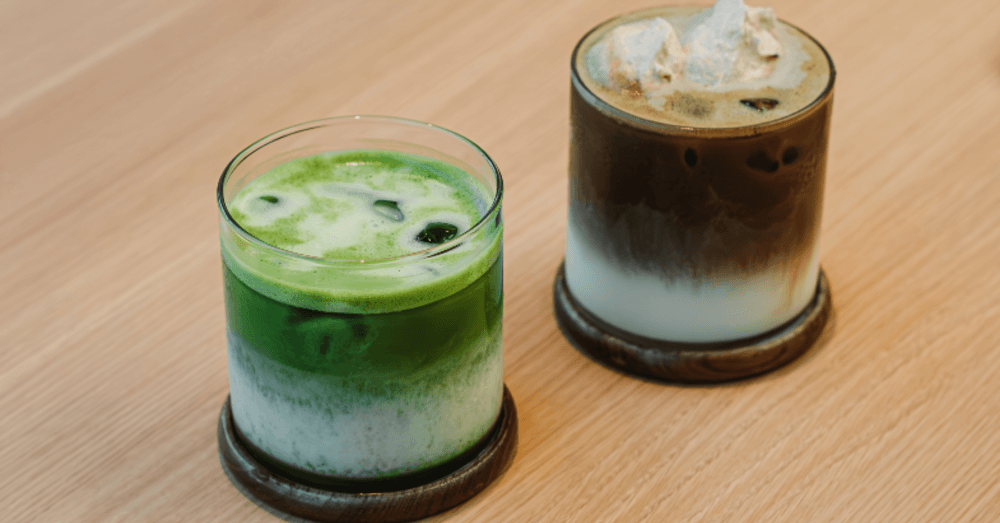
If matcha is the bright, buzzy show-off of the Japanese tea world, hojicha is its laid-back cousin in a chunky sweater. The reddish-brown brew has been a household staple in Japan for a century, and it’s finally having a real moment in 2026 cafés, cookbooks, and TikTok feeds. Toasty, soothing, and barely caffeinated, it’s the kind of drink you can sip from breakfast through bedtime without thinking twice.
- Hojicha is a roasted Japanese green tea with a nutty, caramel-like flavor and very low caffeine.
- It’s gentler on the stomach than matcha or sencha, making it ideal for evenings or sensitive sippers.
- The powdered form works in lattes, ice cream, baked goods, and savory dishes alike.
So What Exactly Is Hojicha?
Like all true teas, hojicha comes from the Camellia sinensis plant, but the way it’s grown and processed shapes its look, aroma, and taste. The big difference comes from a second pass of heat. After the first steaming, bancha leaves are roasted over hot coals in porcelain pots or specialized ovens, which gives the leaves their reddish-gold color and toasted, caramel-y flavor.
The story behind it is charmingly thrifty. In the 1920s, a tea farmer in Kyoto took leftover stems, twigs, and broken tea leaves and tried roasting them over charcoal. The roasted tea quickly spread across Japan. What started as a way to use up odds and ends became one of the country’s most beloved daily drinks.
Why It’s Trending in 2026
The matcha boom never really cooled off, but plenty of drinkers want the ritual without the jitters. That’s where hojicha shines. Matcha clocks in around 60 to 70 mg of caffeine per 2-gram serving, and sencha runs 30 to 40 mg per 8-ounce cup, while hojicha sits at just 7 to 8 mg per 8-ounce cup. That’s roughly a tenth of what a cup of coffee delivers.
The flavor sells itself, too. Hojicha tastes nutty, roasted, and caramelized, often with notes of smokiness or chocolate, plus a lighter body and a clean finish. Coffee drinkers tend to fall for it fast because the roasting process is often compared to how green coffee is treated, and you can find light, medium, and dark roasts on the market.
There’s also a wellness angle. Other green teas are steamed to prevent oxidation, while hojicha is made by roasting leaves, stems, and twigs. That roasting cuts the caffeine content sharply and softens the tea’s acidity, which is part of why it’s traditionally served after meals.
How to Brew the Perfect Cup at Home
Good news for nervous beginners: this is one of the easiest teas you can make. Unlike delicate green teas that need precise temperature control, hojicha takes boiling or near-boiling water without turning bitter, because the roasting has already calmed the compounds that cause astringency at high heat.
For loose leaf, use about 4 to 5 grams (around 2 tablespoons, since roasted leaves are lighter and bulkier than unroasted tea) per 200 ml of water. Steep for 30 seconds to a minute, then pour.
For a latte, you’ll want powdered hojicha rather than leaves. Whisk 1 teaspoon of hojicha powder with 60 ml of 80°C (175°F) water using a bamboo whisk, milk frother, or spoon. Add a teaspoon of sweetener if you’d like, then stir. Steam and froth 180 ml of milk, then pour the hot milk into your mug. Oat milk is the crowd favorite because it’s naturally sweet and froths beautifully.
Beyond the Mug: Cooking with Hojicha
Once you have a bag of powder, the kitchen experiments practically start themselves. The powder behaves a lot like cocoa or matcha, so you can fold it into shortbread, swirl it through cheesecake batter, dust it on tiramisu, or steep it into custard for ice cream. Its warm aroma and deep, nutty profile have made it a favorite in cafés, dessert recipes, and tea lattes around the globe.
For something savory, try infusing warm cream with loose hojicha leaves for a pan sauce, or use brewed tea as the liquid in rice or risotto for a smoky backbone. Japanese brown sugar syrup, called kuromitsu, is basically brown sugar dissolved in an equal amount of water, and it turns an iced hojicha latte into a caramel dream.
Reasons to Stock Some This Week
Hojicha won’t replace your morning espresso, and that’s the point. It’s the drink for afternoons when you want a hug in a mug, evenings when caffeine is off the table, and dinner parties when you want to serve something your guests probably haven’t tried. Grab a bag of powder and a tin of loose leaf, and you’ll have a versatile new pantry staple that feels both ancient and very 2026.