The thick-crusted, cheese-loaded pizza that made Chicago famous has been quietly making its way south, setting up shop in cities where fried chicken and barbecue usually steal the spotlight. From Nashville’s Germantown neighborhood to smaller cities like Bowling Green, KY, a new wave of pizzerias is bringing the Windy City’s dish to places where deep dish was once harder to find than a Cubs fan at a Cardinals game.
- Chicago natives are opening pizzerias across the South, bringing family recipes passed down through generations to new markets hungry for something different
- Nashville has become a mini-hub for Chicago-style pizza, with multiple spots now serving both deep dish and tavern-style thin crust to enthusiastic crowds
- Smaller cities are getting in on the action too, proving that you don’t need to be a major metro area to support real Chicago-style pizza
When Chicago Came to Kentucky
Walk into Tamburrino’s Pizzeria in Bowling Green, KY, and you’ll taste the real deal. The co-owner grew up in Chicago, eating deep dish the way most Southerners grew up eating biscuits and gravy. When they opened their doors, they brought the same thick crust, gooey cheese, and chunky tomato sauce that Chicagoans have been devouring for decades.
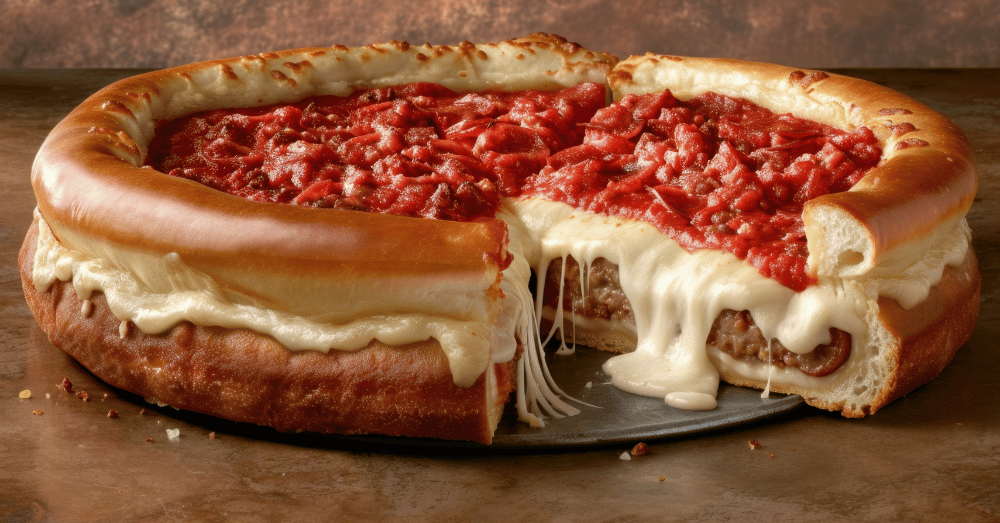
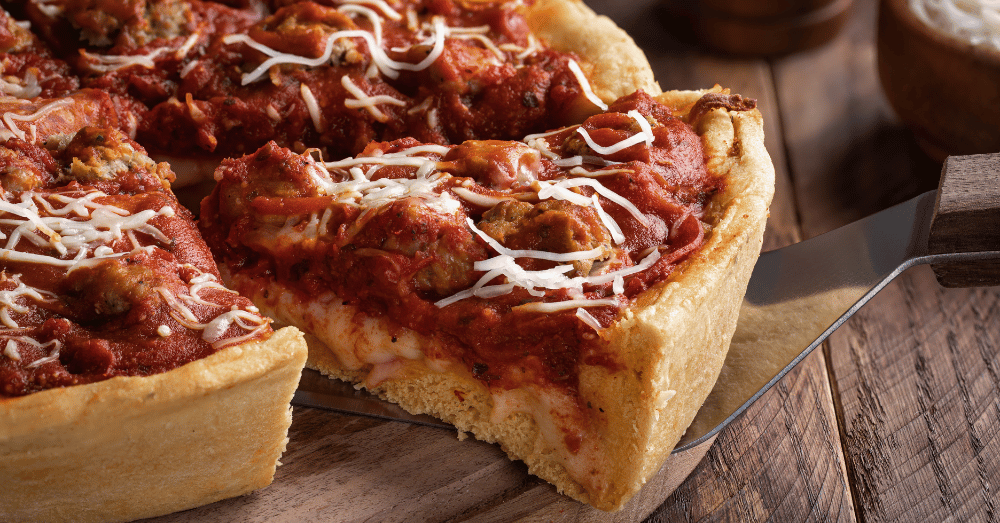
The sausage alone tells you everything. One bite and you know this comes from someone who knows what they’re doing. This is the stuff people wait 45 minutes for because you can’t rush perfection. The crust rises up like a pie shell, holding back a flood of mozzarella and toppings that would sink a thinner pizza in seconds.
A pound of cheese, house-made sauce, and enough toppings to feed a family of four with leftovers for tomorrow’s breakfast. That’s what makes this spot worth the drive.
Nashville’s Pizza Scene Heats Up
Drive north to Nashville and you’ll find the Chicago-style pizza scene has really taken off. 312 Pizza Company sits in the Germantown neighborhood, where parallel parking feels a little more like home for the Chicago-born family behind the counter. Their grandmother learned to make pizza in Chicago’s Little Italy neighborhood, and those recipes have been feeding family gatherings for three generations.
The place gets packed during Bears games, Cubs games, and basically any time someone from the Midwest gets homesick. But plenty of Nashville natives who’ve never set foot in Chicago show up too. They’ve heard about this pizza that requires a fork and knife, and they want to see what all the fuss is about.
Reviews pile up from people who claim the deep dish here matches or beats what they ate back home. The Mrs. O’Leary (named after the cow that allegedly started the Great Chicago Fire) packs five different cheeses into one glorious mess of melted goodness.
Then there’s Gio’s Chicago Pizza, run by Chef Greg Knotek, who spent 12 years at Al’s in Cicero before bringing his skills south. His Italian beef sandwiches earn as much praise as his pizza, which tells you he’s not cutting corners anywhere on the menu.
Here’s something interesting: Nashville tried welcoming Gino’s East, one of Chicago’s most famous deep dish chains, in 2019. The location closed after two years, leaving 312 Pizza Company and smaller operations like Gio’s to carry the Chicago-style torch. Sometimes the family-run spots with grandmother’s recipes beat out the big chains.
Louisville Joins the Mix
Head west to Louisville and you’ll find Lou Lou Food & Drink serving “The Lou Chicago,” their take on double deep dish loaded with cheese and your choice of toppings. The menu warns you to bring a fork, which should give you some idea of what you’re getting into.
While Louisville has several spots offering deep dish as part of their menu, the city hasn’t quite developed the same Chicago-focused pizza culture as Nashville. You can find the pies if you look for them, but they’re sharing menu space with other styles rather than being the main event.
Why Deep Dish Pizza Works Down South
You might wonder why a pizza style born in the cold, windy streets of Chicago would catch on in places where the weather stays warm most of the year. Comfort food is universal. Whether you’re bundling up against a Chicago winter or looking for something filling after a long day in the Southern heat, a pizza loaded with cheese and toppings hits the spot.
People from Chicago and the broader Midwest have been moving south for years, bringing their food preferences with them. These pizzerias started partly to serve that homesick crowd, but they’ve found an audience that goes way beyond transplants. Great food attracts people regardless of whether they grew up eating it.
The smaller cities getting their own Chicago-style spots shows this trend has legs. Bowling Green isn’t a massive metro area, but it can support a pizzeria doing things the Chicago way. That suggests demand exists beyond the major cities everyone talks about.
The Technique Behind the Taste
Real Chicago deep dish involves more than thickness. The crust gets pressed into a deep pan and rises up the sides. Cheese goes on first, then toppings, then a thick layer of chunky tomato sauce on top. This backwards approach compared to regular pizza keeps the crust from getting soggy while everything bakes for 30 to 45 minutes.
The places making waves in the South understand this. They’re following the technique that made the style famous back in the 1940s when Pizzeria Uno first served it in Chicago. Quality ingredients matter too. Good mozzarella, house-made sauce, and generous portions. A deep dish pizza costs more to make, and the successful places charge enough to do it right rather than cutting corners.
Where the Deep Dish Movement Goes Next
The Chicago-style pizza expansion into Southern cities probably hasn’t finished. As more people discover they don’t need to book a flight to O’Hare to get the real thing, demand will keep growing. The success of places like 312 Pizza Company and Tamburrino’s Pizzeria shows there’s room in the market for pizza that takes almost an hour to make but keeps people coming back week after week.
Any city with a decent population and a few Chicago transplants might be able to support a pizzeria willing to do things right. And really, that’s what good food is about: finding the right audience and giving them something worth the wait.