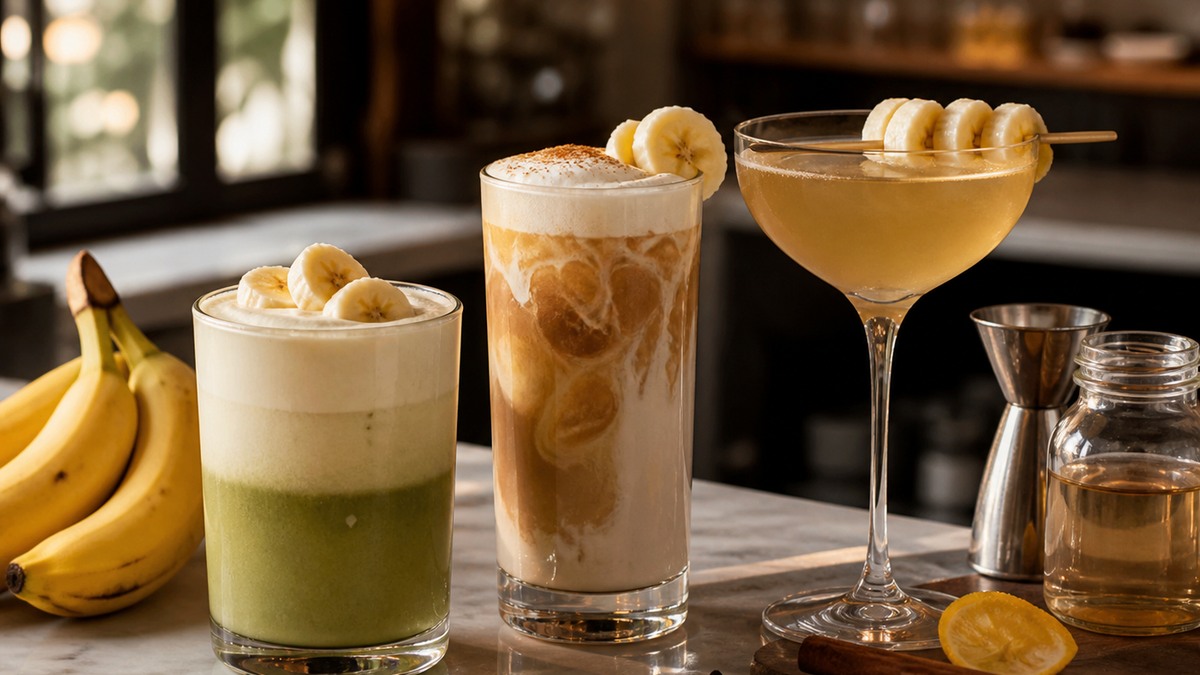
Somewhere between your morning matcha and your evening cocktail, the banana snuck in. It’s showing up in creamy cafe lattes, whisked into grassy green tea, and shaken into rum drinks at neighborhood bars. Some folks are already calling it the next pumpkin spice, and honestly, the comparison holds up.
- Bananas now star in cafe drinks like Korean banana milk and banana matcha lattes
- Bartenders use fresh fruit, banana liqueur, extract, and even the peel
- The flavor crosses two worlds that rarely overlap: coffee shops and cocktail bars
From Overlooked Fruit to Menu Star
Bananas are a funny thing to get excited about. They sit in every grocery store, they’re cheap, and most of us grab them without a second thought. They’re tropical yet totally ordinary, summery yet comforting all at once. For years nobody thought twice about them as a drink flavor. That’s changing fast.
You can now find banana in protein bars, gummy bears, coffee creamer, lip balm, and body wash. Wendy’s even rolled out a Minions-themed Banana Frosty Swirl. But the cartoon tie-ins aren’t what’s driving the real buzz. Banana beverages have been building quietly, riding the same wave as other bright, Asian-inflected flavors like matcha and ube that took over cafe menus first.
There’s a fun bit of history hiding in that artificial banana taste, too. Most bananas we buy are the Cavendish variety, but the classic fake-banana flavoring was designed around the older Gros Michel banana. That one mostly vanished in the 1950s after a fungal blight nicknamed the bananapocalypse, sometimes called Panama disease. So the candy banana taste you remember is based on a fruit you probably never ate.
The Cafe Side of the Craze
“Little treat” cafes have fallen hard for the banana, and banana milk is leading the charge. It’s a classic Korean drink, and it’s turning up on menu after menu. Some shops make it from scratch, blending oat milk, maple syrup, vanilla, and real bananas into something creamy and mellow.
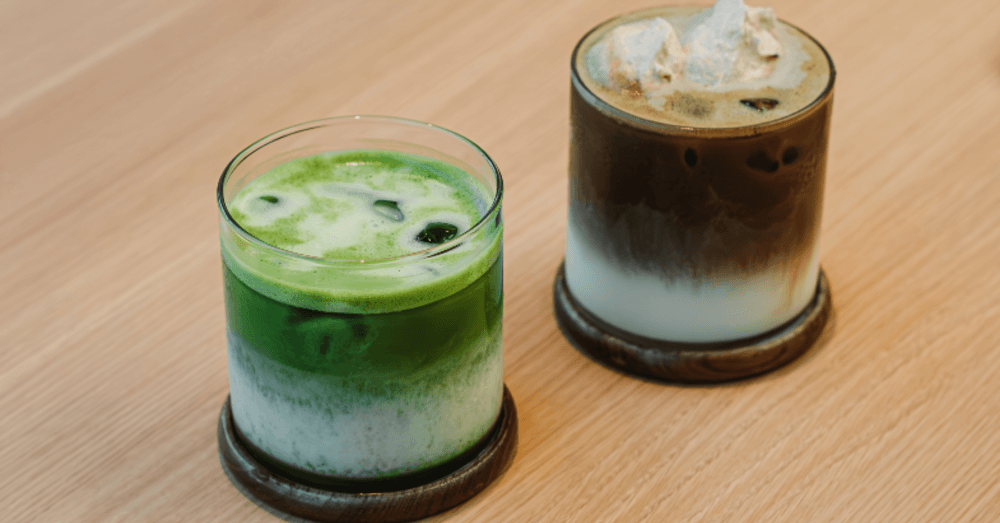
That homemade banana milk often gets layered into matcha, and the result is a bestseller for a reason. Picture a drink that’s thick like a loose smoothie, grassy from the green tea, and lightly sweet. There’s a catch, though. Banana milk hates heat. Steam it and it turns to porridge, so these drinks pretty much have to be served over ice.
Other cafes get playful with it. Some fold banana extract into whipped cream for a banana pudding matcha latte. Others build a banana emulsion you can add to coffee or matcha, and pair it with ube for a combo that sounds odd and works beautifully. Vietnamese phin coffee poured over ice with banana syrup and foam is another standout.
Why Bartenders Love It Too
What makes this trend stand out is where it lives. Cafe flavors and cocktail flavors usually stay in their own lanes. Banana refuses to. Bartenders are reaching for banana liqueurs like Giffard’s Banane du Brésil, made from overripe Brazilian bananas, and Crème de Banane, which adds a silky weight to drinks. A splash of it can turn an ordinary Negroni into something rounder and smoother.
The clever part is how bars use the whole fruit. Some infuse bananas into dark rum, then take the leftover peels, slice them thin, and macerate them overnight with an equal weight of sugar. That makes a fragrant syrup called an oleo-saccharum. Others brûlée the banana before infusing it into rum or scotch for a toasty, caramelized depth.
Then there are the banana bread riffs. One bar manager makes a banana puree, then stirs it into a simple syrup loaded with cinnamon, nutmeg, maple, and vanilla to chase that fresh-from-the-oven feeling. Batch it once a week, drop it into a clarified cocktail with espresso liqueur and cold brew, and you’ve got dessert in a glass. Banana daiquiris, banana Old Fashioned spins, and banana Negronis are all earning menu spots.
Give the Banana a Second Look
The next time you’re staring at a cafe menu or scanning a cocktail list, don’t skip past the banana option. This is one of the rare flavors that works whether you want something cozy and creamy or boozy and complex. It’s cheap to source, easy to love, and weirdly versatile once you start playing with the peel and the char. The fruit we’ve all taken for granted is finally getting its moment, and it earned it.