
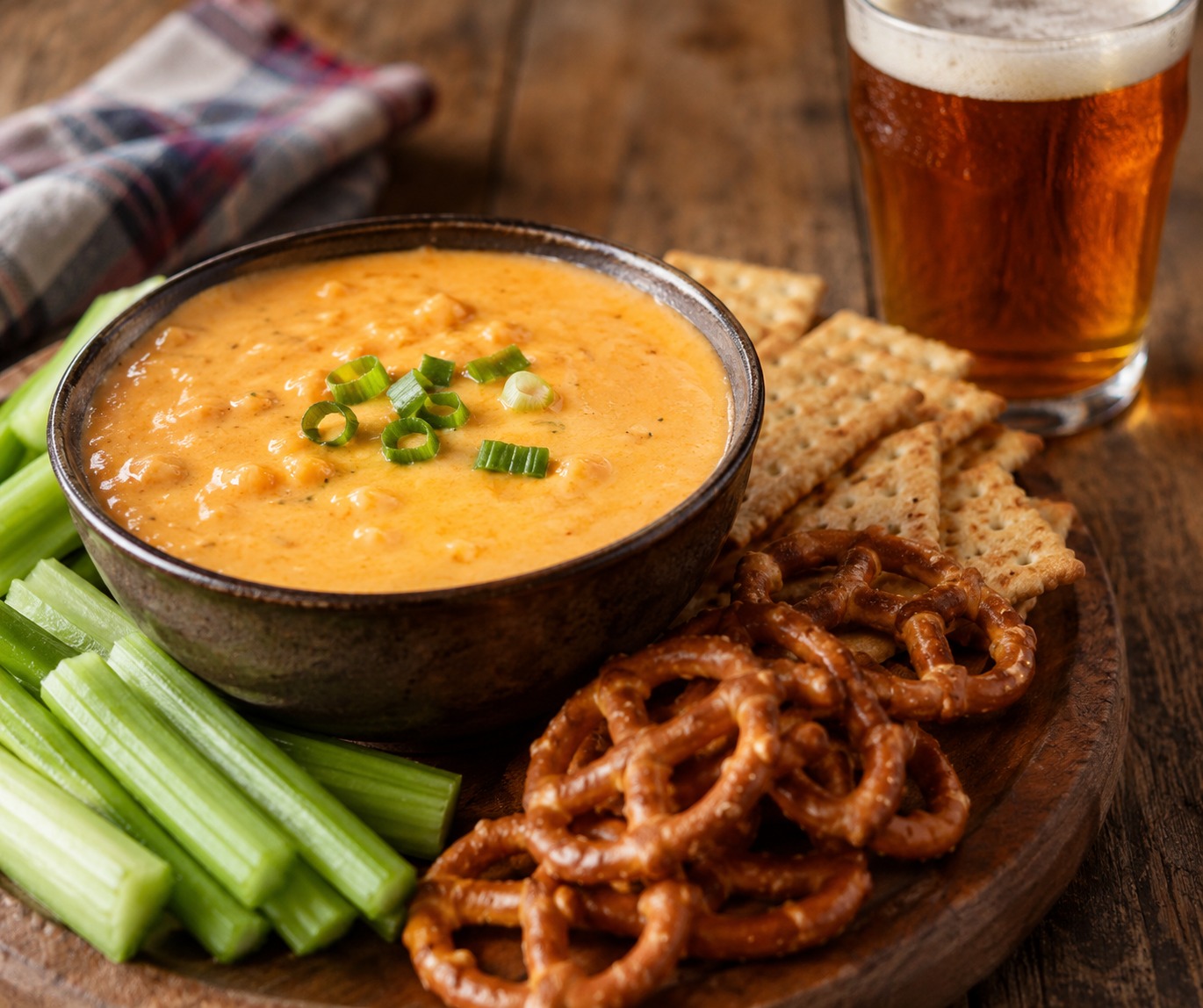
Ask anyone from Central Kentucky about beer cheese and you’ll get a firm answer. It’s served cold, it has a cayenne kick, and it comes from Clark County. The spicy spread started as a tavern trick in the 1940s. Now it has cousins in creameries from Oregon to Pennsylvania, where cheesemakers put beer right into the wheel.
- Kentucky beer cheese goes back to the 1940s and a Clark County restaurant on the Kentucky River.
- Kentucky lawmakers named Clark County the birthplace of beer cheese in 2013, and Winchester holds a festival for it every year.
- Creameries across the country now add beer, stout, and even hops while the cheese is being made.
A Snack Built to Sell More Beer
Most people trace the story to Johnny Allman’s restaurant on the banks of the Kentucky River in Clark County during the 1940s. Accounts of the details vary, but the idea was simple. Serve guests a snappy snack and they’ll order another round. The recipe also solved a kitchen problem. Leftover sharp cheddar that was near the end of its shelf life got blended with flat beer, garlic, cayenne, and a secret mix of spices.
The result sat somewhere between a dip and a spread, with a bold, spicy finish. Kathy Gorman Archer, president of Howard’s Creek Authentic Beer Cheese, has said the cayenne and garlic probably came from Allman’s love of southwestern flavors. In 2006, Archer led a revival of the original Allman recipe, and that effort brought the spread national attention. For more than 60 years, this was what beer cheese meant.
One tip before you order. In Central Kentucky, beer cheese is a cold spread. The warm dip you get with a twisted pretzel at a German restaurant or brewpub is a different thing.
Clark County Claims the Crown
In 2013, the Kentucky legislature officially named Clark County the birthplace of beer cheese. Winchester also carries the nickname “Beer Cheese Capital of the World,” and its festival actually came before the official title. The first Beer Cheese Festival took place in downtown Winchester on June 13, 2009. It featured a cook-off with commercial and homemade categories, a recipe contest, food vendors, crafts, and games. The event now pulls in thousands of visitors and dozens of commercial competitors.
If you want to taste the style where it was born, plan a trip around the Beer Cheese Festival in Winchester, KY. Trying several spreads side by side is an easy way to compare how different cooks handle the heat and texture.
Craft Creameries Put the Beer Inside the Cheese
As craft beer took off in the 2010s, a new group of cheesemakers started asking a different question. What if beer were a main ingredient and not an afterthought?
In Oregon, Rogue Creamery worked with Portland’s Hopworks Brewery on a Chocolate Stout Cheddar. The beer goes straight into the vats as the whey starts to separate from the curd. That gives the cheese a malty sweetness and a marbled look. The creamery later made Hopyard, a cheddar with fresh local hops mixed into the curds. Its floral bitterness is a lot like a West Coast IPA.
Fiscalini Farmstead in Modesto, California, has been running since 1914 and uses only milk from its own cows. Its Craft Beer Cheddar uses Dust Bowl Brewing’s Black Blizzard Imperial Stout, a roasty beer with coffee and chocolate notes. The beer is mixed into the curds before they’re pressed overnight into 40-pound blocks, which pushes the flavor deep into the cheese. Each batch ages for at least three months.
In Pennsylvania, Caputo Brothers Creamery teamed up with Tröegs Independent Brewing on a Gouda made with Tröegenator, a Double Bock that gives the cheese sweetness and a golden color. For a version made with Perpetual IPA, Caputo “dry hopped” the milk by steeping it with Citra hops before cheesemaking began. The company also started Custom Cheesemakers, which helps breweries around the country make their own branded cheeses to sell in their taprooms.
Beer-Washed Rinds and Fresh Spreads
Some makers don’t put the beer in the curd at all. Tulip Tree Creamery in Indianapolis washes the outside of its double cream cheeses with a brine of bacteria cultures, water, salt, and local beer from partners like Sun King and 3 Floyds. Co-owner Laura Davenport prefers less bitter beers such as pilsners, because very bitter IPAs can leave a metallic taste on the rind.
In Cincinnati, Urban Stead Cheese, founded in 2018, makes a Kentucky-style spread with Braxton Brewing’s Storm Golden Cream Ale. It’s a fresh cheese, so it doesn’t need months of aging. Co-founder Andrea Robbins describes the texture as a cross between ricotta and cream cheese. It works in everything from pasta fillings to baking.
Start With the Original, Then Branch Out
Beer cheese began as a clever way to use up old cheddar and sell a few more beers. Today the category includes stout cheddars, hop-steeped Gouda, beer-washed rinds, and fresh spreads that still nod to Clark County. Start with a cold, spicy Kentucky spread so you know what the original tastes like. Then try an aged beer cheddar and notice how different the beer tastes. It’s the same simple idea taken two ways, and both are worth a taste.