
Picture silky pasta slicked with miso butter, or a wood-fired pizza topped with paper-thin Wagyu beef. This is itameshi, a growing food movement that’s turning heads and filling reservations from Tokyo to New York to San Francisco. The combination of Japanese precision and Italian soul might sound unexpected, but the results speak for themselves.
- Itameshi is a type of fusion cuisine originally from Japan that combines Japanese and Italian food, and its name blends the Japanese word for Italy (Itaria) with the word for meal (meshi).
- The two cuisines share similar principles, including an obsession with ingredient quality, exacting techniques, and regional variety, which is why the pairing works so well.
- The popularity of itameshi has taken off in the United States, with cookbooks, online videos, and dedicated restaurants all gaining traction.
How Itameshi Got Its Start
Italian food has a surprisingly long history in Japan. The first Italian restaurant in Japan was Italiaken, opened in 1880 in Niigata by Pietro Migliore, who came to Japan with a French performing troupe. Italian-Japanese fusion first started in the 1920s when spaghetti was introduced to Japan and served in small cafes. But it took decades for Italian cooking to truly catch on with the wider public.
In the 1980s, Japanese travelers returned from Europe inspired by Italy’s culinary romance, and local chefs took those influences home, layering them with Japanese ingredients like mentaiko (spicy cod roe), shiso, and kombu. Then the economic bubble burst. By the 1990s, upscale restaurants in Japan switched from focusing on French food to Italian, a pivot triggered by various economies in Asia experiencing crashes. While French cuisine was perceived as formal and expensive, Italian cuisine was warm and affordable.
The word itameshi became common in the early 1990s, during the Japanese asset price bubble. The classically trained Japanese chefs who pivoted struck the right balance: familiar Japanese flavors appealed to the older crowd while younger diners appreciated the sense of foreign flair.
The Dishes That Define This Fusion
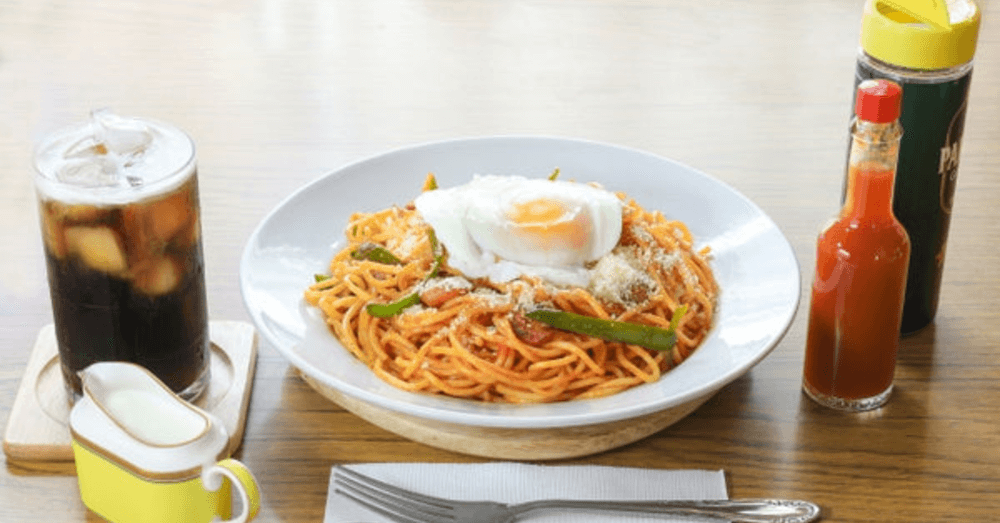
So what does itameshi actually look like on a plate? Think of it as Italian structure with a Japanese accent. Tarako spaghetti, a creamy pasta dish made with salted cod roe, is one of the most well-known examples of itameshi cookery. Napolitan pasta is another specialty, featuring some combination of spaghetti, vegetables, hot dogs, and ketchup. Yes, ketchup. Don’t knock it until you’ve tried it.
Another beloved itameshi item is doria, a purely Japanese creation that prominently features Italian flavors, with layers of rice, bechamel, cheese, tomato sauce, meat, and vegetables baked and served bubbling. And of course, there’s pizza. Wafu pizza includes toppings like mentaiko, potato, mayo, teriyaki chicken, corn, seaweed, shrimp, and even miso.
Matcha tiramisu, meanwhile, is a more recent and playful example of how itameshi can extend beyond pasta dishes. On the high end, Tokyo restaurants like Ciel Pizza sprinkle baby sardines and sansho pepper over Neapolitan-style crusts, and the Michelin-starred Pizza Bar on 38th tops Roman-style pies with paper-thin Wagyu.
The American Itameshi Boom
Itameshi has gone well beyond Tokyo. Italian-Japanese fusion is taking off in the U.S., thanks to chefs like Robbie Felice, who started incorporating wafu at his New Jersey restaurants, and Katsuya Fukushima, who developed a corn and pollock roe pizza at his wafu-Italian restaurant in Washington, D.C. called Tonari.
Over the years, itameshi has made its way from high-end restaurants around Tokyo to the United States. In New York City, the restaurant Kimika opened in 2020 and has become a go-to spot, with a menu that includes crispy panko-crusted eggplant katsu, uni spaghetti with tobiko and shiso, and fried Italian doughnuts with mochi and toasted sesame.
In San Francisco, a meal at Ciaorigato feels like eating inside the Sistine Chapel. The restaurant serves mashups like okonomiyaki pizza and bucatini with tsukune (chicken meatballs) and Japanese curry. The rapid rise includes the August debut of Itameshi Albany, bringing Italian-Japanese cooking to upstate New York, and Philadelphia’s dancerobot, which blends izakaya traditions with Japanese comfort food.
Why These Two Cuisines Click So Well Together
At first glance, Japanese and Italian cooking seem worlds apart. But dig into the details, and you’ll find surprising common ground. The cuisines of Japan and Italy share many similarities, including presentations of raw fish (sushi and crudo), skewered meats (yakitori and spiedini), and a mutual respect for generational cooking methods. The major crossover appeal that both cuisines enjoy is a focus on savory, umami flavor profiles. Both food cultures also prioritize fresh, seasonal ingredients and honest preparations that let the food speak for itself.
Today, Tokyo is home to more than 1,500 Italian restaurants, many of which continue this tradition of cultural interplay. Some estimates put the total number of Italian restaurants in Tokyo alone at 20,000. And itameshi food isn’t slowing down anytime soon. This cross-cultural cooking has long left the space of fine dining and is now showing up in home kitchens too, frozen, packaged, and ready to heat.
Whether you’re curious about trying mentaiko pasta at a trendy new spot or tossing some miso butter into your next batch of spaghetti at home, there’s never been a better time to dig into this delicious collision of two favorite food traditions.