If you’ve spent the last few years collecting pretty little cans of Portuguese sardines and Spanish mussels, clear some pantry space. The same tiny, jewel box tins that made conservas cool are now being filled with something unexpected: beets, tomatoes, and garlic-leek hybrids packed in really good olive oil.
- Artisanal tinned vegetables are being predicted as one of the breakout food trends of 2026.
- Chef Dan Barber’s Row 7 Seed Company is leading the category with chef-crafted tins priced around $7.99 each.
- They’re designed to be eaten straight from the can, spooned onto boards, or folded into quick weeknight dinners.
What Artisanal Tinned Vegetables Actually Are
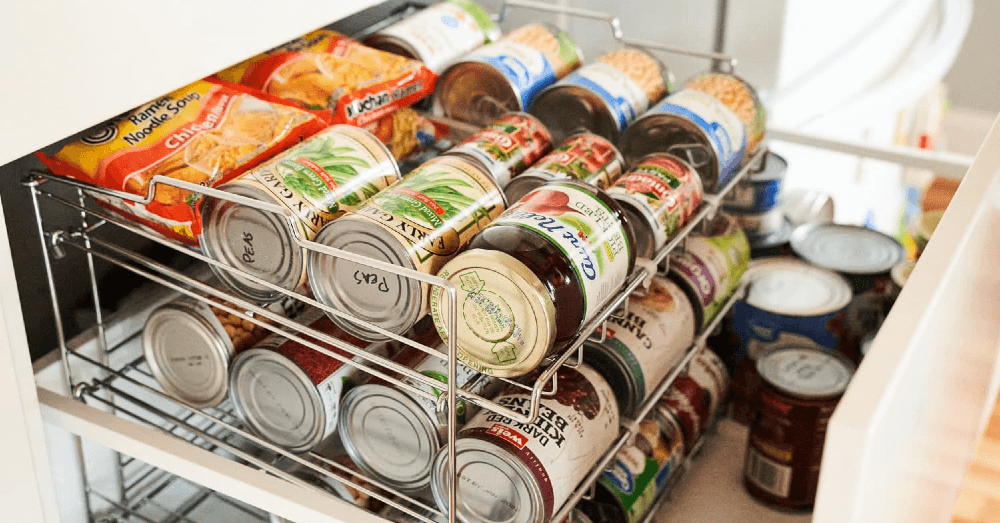
These are not the dusty cans of peas at the back of your cupboard. Canned food has gone from frugal to chic, especially with seafood, and now artisanal jars and tins of vegetables, beans, and olives are earning higher prices all the time. The format borrows directly from conservas culture, those perfected tins of seafood in Spain and Portugal served in wine bars, like mackerel fillets in olive oil and squid in ink, which bear almost no resemblance to the mushy supermarket sardines most of us grew up with.
The most talked-about example right now comes from Row 7 Seed Company. The Hudson Valley seed and vegetable company is the first to offer vegetables packaged like tinned fish, in a flat rectangular container with a peel-back top. Row 7 Tinned Vegetables launched in the produce aisle at Whole Foods Market locations across the Northeast, a deliberate choice that reflects what they are: fresh vegetables bred for flavor, harvested at peak season and preserved using chef-level techniques, priced at $7.99 per tin.
The opening lineup is small but specific. It includes slow-roasted tomatoes swimming in extra virgin olive oil and red wine vinegar, tender and mild golden beets packed in a white balsamic vinaigrette, and garlic-leek hybrids cooked confit-style with a touch of Dijon mustard and white balsamic to cut through the richness.
Why They’re Having a Moment
Part of this is cultural momentum. A few months back, the internet declared it “Sardine Girl Summer” because of the unstoppable canned-fish craze, and brands have been looking for the next thing shoppers will pay a premium for. Part of it is about taste. Working with a new canning copacker, Barber has been refining time and temperature to create a shelf-stable product that, in his words, doesn’t batter the vegetables into submission, letting them keep their texture and nutrition.
And part of it is timing. At stores like the Gowanus Whole Foods in Brooklyn, a test sales run of beet, Garleek, and squash sold out completely, and Row 7 had to end the 15-location trial early. Demand now reaches well past coastal food-media hubs, with curious shoppers from Brooklyn to Vandalia scanning grocery shelves for the next pantry upgrade. The main sticking point is price. Conservas fans may be used to shelling out $20 to $30 for a fabulous tin of fish, but paying $10 for a 4-ounce can of even exquisitely-prepared vegetables may be hard for some customers to swallow.
How to Use Them at Home
The easiest move is also the most fun: pop the tin, set it on a board, and let people help themselves. Think of it as an aperitivo spread. A tin of slow-roasted tomatoes next to a hunk of ricotta, crusty bread, a few olives, some cured meat, and a dish of almonds makes a legitimate dinner for two with zero cooking. Swap the tomatoes for beets and add soft goat cheese and honey. Use the confit garlic-leek like you would anchovies, smashed onto toast with butter and flaky salt.
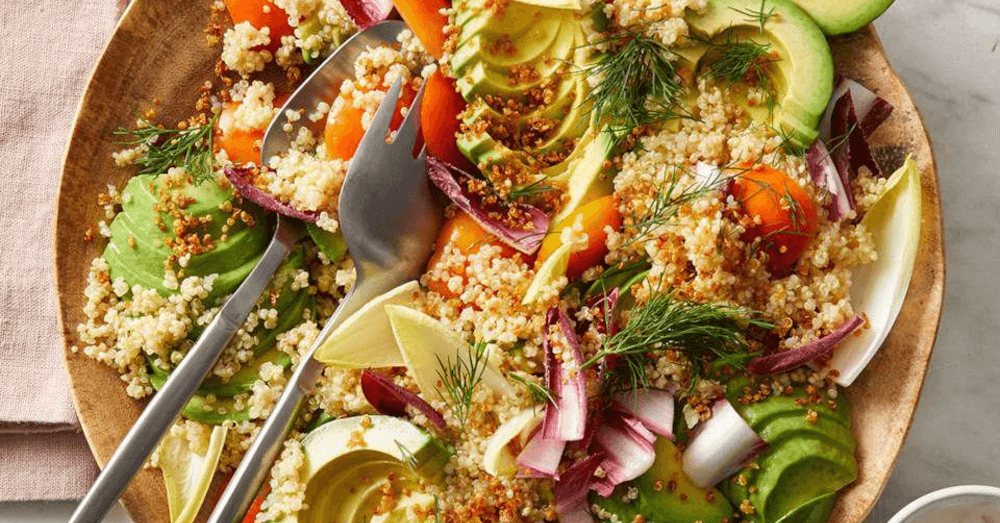
For weeknight shortcuts, the oil in the tin does as much work as the vegetables themselves. Each tin is packed with premium extra virgin olive oil or a vinaigrette built by Chef Dan Barber to be a “second ingredient,” a ready-made sauce that can dress pasta, grains, or greens instantly. Barber suggests making pasta or rice, then warming up the vegetables and using them almost like Hamburger Helper to get vegetables and nutrition on the plate. A tin of tomatoes over warm orzo with lemon zest and parmesan. Beets with farro, arugula, and feta. Sweet Garleek folded into scrambled eggs with herbs.
They also happen to keep. Each tin is shelf-stable for up to two years, which makes them a reasonable splurge for the pantry shelf rather than a one-time purchase.
Worth the Pantry Shelf?
Fancy tinned vegetables are still an experiment, and the jury is out on whether the category will stick. But the appeal is real: restaurant-quality flavor, minimal effort, and packaging that looks great on a counter. If you already keep a stash of tinned fish for quick dinners and impromptu boards, adding one or two vegetable tins to the rotation is a small leap with a potentially big payoff. Try one, put it on toast, and see if you get it.